
You Are Being Watched: How the Journey from Private Letters to TikTok Made Surveillance the Air We Breathe
There was a time when communicating privately meant exactly that: privately. You wrote a letter by hand, sealed it, and trusted it to a messenger. The idea that a record of every thought you expressed, every person you spoke to, and every place you visited might be visible to strangers, corporations, or governments would have seemed dystopian beyond imagination.
It no longer does. By a series of incremental steps so gradual we barely noticed, we have arrived at a world in which surveillance is not the exception but the default. We are watched by cameras on every street corner, and our phones log our location every few seconds. We handed most of it over willingly, in exchange for the ability to share videos with strangers.
Here is how that happened—and just how comprehensive the watching has become.
The Cameras We Never Agreed To
While social media was building a surveillance apparatus we opted into, a parallel system was being constructed without our explicit consent: the vast global network of closed-circuit television (CCTV) cameras.
The numbers behind this physical surveillance network are staggering:
- There are over 1 billion operational cameras worldwide.
- China leads the globe with a network encompassing an estimated 500 million cameras.
- The UK has approximately 21 million total CCTV cameras, equating to one camera for every 8 to 10 people.
- The average person in the UK is captured on CCTV cameras over 70 times a day.
- The United States has approximately 50 million surveillance cameras, giving it one of the highest per capita densities in the world.
Modern CCTV systems are no longer passive recorders. AI-powered analytics now enable real-time facial recognition, behavioral analysis, and crowd flow prediction, moving cameras from recording the past to predicting the future.
The Smartphone and the Data Economy
Physical cameras are only one dimension of the surveillance landscape. The more pervasive—and commercially lucrative—form of watching happens digitally.
The smartphone is arguably the most consequential surveillance tool ever deployed at mass scale. It is a device people carry everywhere that knows their location, records their daily movements, and tracks their social connections.
- Around half of all mobile apps share user data with third parties.
- By 2025, the total installed base of IoT-connected devices—like smart speakers and doorbells—is expected to reach 30.9 billion units.
- As surveillance capabilities grew, Google’s ad revenue per user spiked roughly 1,800%, jumping from $1.07 in 2001 to $36.20 by 2019.
- Despite this massive data economy, 67% of Americans have little or no knowledge of what companies actually do with their data.
Corporate Tech Meets Classic Spycraft
At SPYSCAPE, we’ve spent years exploring intelligence and counter-surveillance. What strikes us about mass social media surveillance is how perfectly it mirrors the tradecraft of state intelligence agencies—but applied to everyone, all the time.
The technology industry built an infrastructure that dwarfs anything any spy agency ever managed, and they financed it with advertising. The techniques are identical:
- Social Graph Analysis: Mapping who knows whom and how information flows between them is a foundational intelligence tool—and it is exactly what Facebook built.
- Behavioral Profiling: Profiling targets based on patterns of activity rather than specific content is classic signals intelligence, which is exactly how TikTok’s recommendation algorithm operates.
The primary difference is that commercial surveillance uses these tools to sell you things rather than for state control. However, commercially collected data is constantly at risk. In the first half of 2024 alone, the U.S. recorded 1,732 publicly reported data compromises, with the average cost of a data breach reaching $4.44 million globally.
Privacy is not dead. But it has become a premium product—available to those with the knowledge, resources, and determination to fight for it.
Learn How to Protect Your Privacy
At SPYSCAPE, we believe that understanding surveillance—how it works, who controls it, and what it costs—is the first step toward making an informed choice about your data.
Curious about how to protect yourself in the modern digital age? Come interact with authentic surveillance and counter-surveillance technology used by real intelligence agencies.

"The social experience where you activate your gaming skills as you train like a spy."
- TimeOut
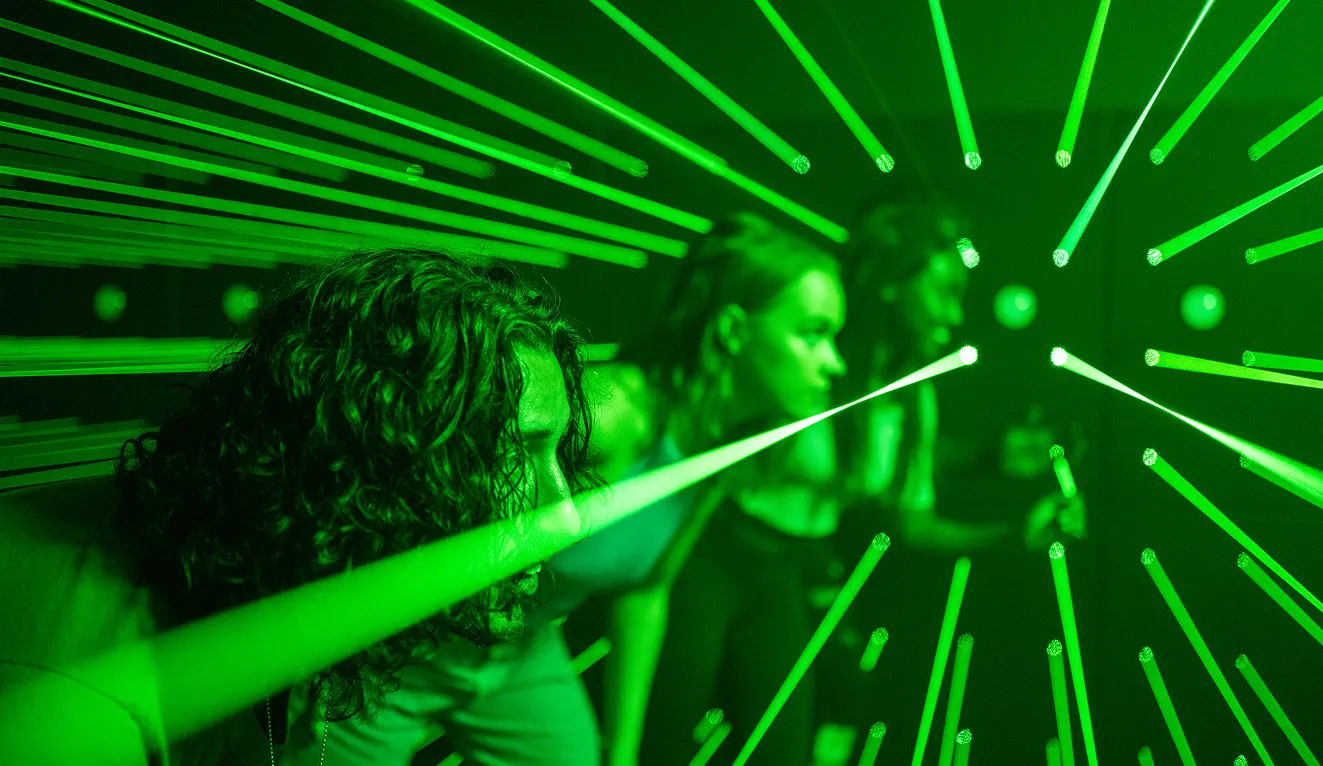
Pulse-racing challenges - crafted with experts from CIA and Special Ops to test your teamwork, agility, collaboration and communication.
SPYSCAPE+

Join now to get True Spies episodes early and ad-free every week, plus subscriber-only Debriefs and Q&As to bring you closer to your favorite spies and stories from the show. You’ll also get our exclusive series The Razumov Files and The Great James Bond Car Robbery!

Gadgets & Gifts
Explore a world of secrets together. Navigate through interactive exhibits and missions to discover your spy roles.
Your Q Type
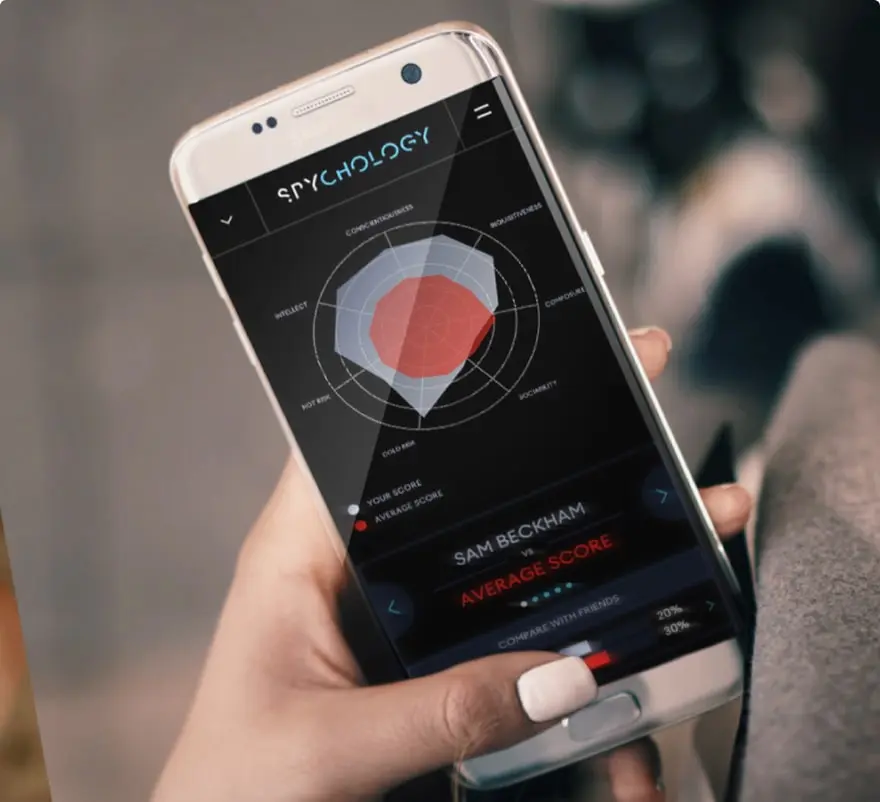
You will be assigned one of ten Q Types - developed with top spy trainers and psychologists to reveal your hidden potential. Not a personality label - a behavioral map of how you think, lead, and perform when it matters.
The Brief
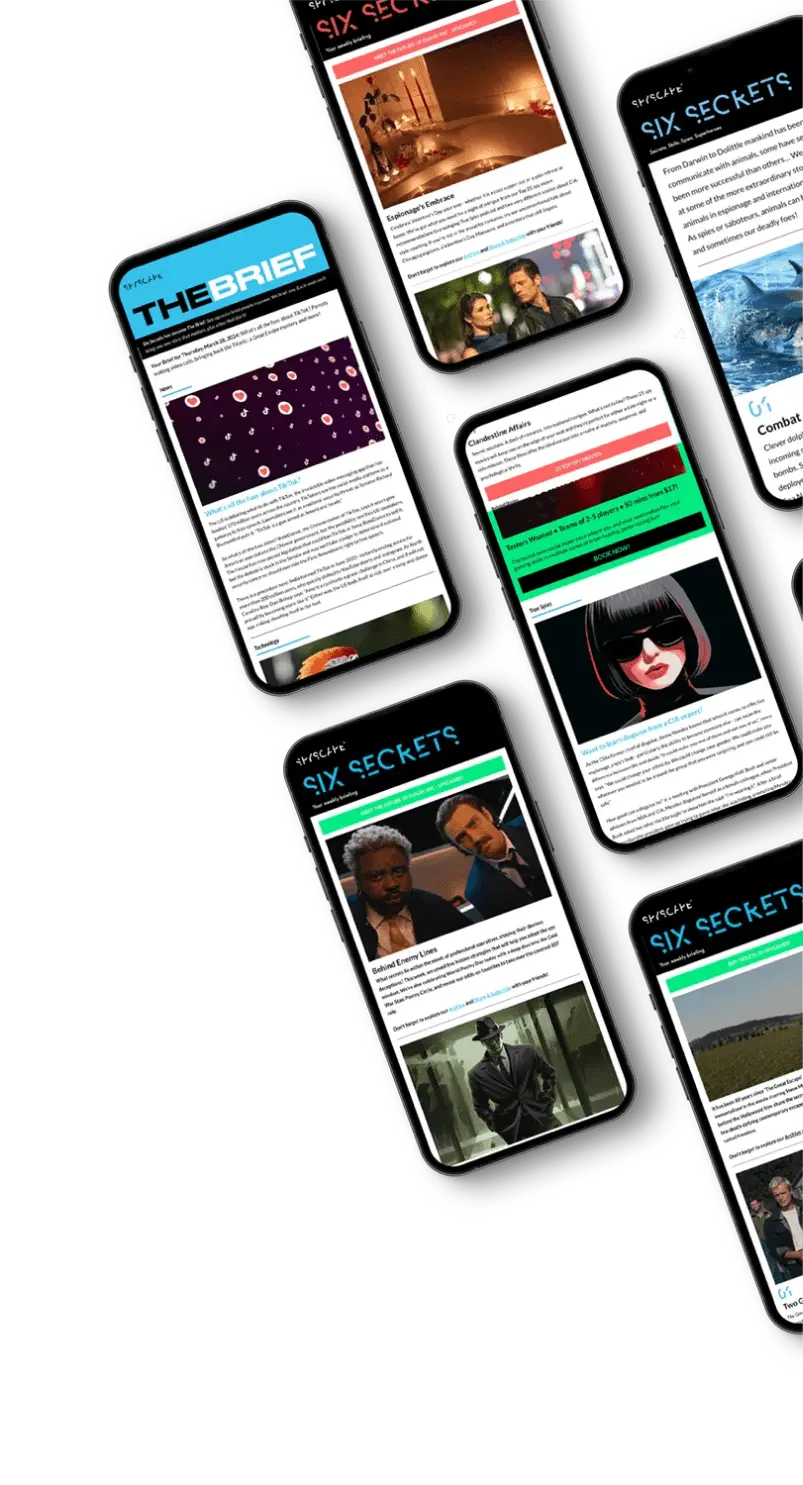
Sign up to receive our weekly newsletter and special offers.
Stay Connected
Follow us for the latest
TIKTOK
INSTAGRAM
X
FACEBOOK
YOUTUBE