
The Long Con: How North Korean Hackers Built Fake Lives to Steal $285 Million
When we think of cyberattacks, we typically picture malicious code, brute-force password cracking, and hooded figures typing furiously in the dark. But the reality of modern state-sponsored hacking is much more insidious—and far more human.
In early April 2026, the decentralized finance platform Drift was drained of $285 million in a devastating cyber-heist. But as cybersecurity experts unraveled the breach, they discovered that the true weapon wasn't just a zero-day exploit. It was a massive, six-month psychological operation orchestrated by the Democratic People’s Republic of Korea (DPRK). It was a masterclass in the oldest spy tactic in the book: social engineering.
The Illusion of Trust
The hackers, identified as an offshoot of the notorious North Korean cyber-syndicate Labyrinth Chollima, did not simply hack into Drift’s servers overnight. Instead, starting in the fall of 2025, they launched a meticulously planned long con.
To infiltrate the tightly-knit crypto development community, the operatives constructed entirely fabricated, fully-realized digital identities. They didn't just create fake names; they built extensive employment histories, forged public-facing credentials, and cultivated active professional networks. They presented themselves as legitimate, highly skilled developers looking to collaborate. For months, they engaged in normal industry chatter, seamlessly blending into the background of the decentralized finance world to build the one thing hackers need most: trust.
Exploiting the Human Element
Once their cover identities were firmly established, the operatives targeted specific, high-level contributors within the Drift ecosystem. But rather than sending obvious phishing links, they played the long game.
In one instance, they successfully convinced a developer to beta-test a seemingly harmless wallet product via Apple’s TestFlight. In another, they collaborated on a shared code repository to deploy a frontend interface for a vault. By January 2026, the hackers had smoothly integrated themselves into Drift's infrastructure, onboarding an ecosystem vault under the guise of standard strategy operations. They weren't breaking in; they were being invited in by the very people they were targeting.
The $285 Million Vanishing Act
On April 1, 2026, the trap was sprung. Using the access they had patiently acquired through their compromised targets, the hackers executed the exploit, draining $285 million from the platform.
By the time the alarm was raised, the operatives had vanished. The fake profiles were wiped, their professional networks were deleted, and their Telegram communication channels were scrubbed from existence. The Drift hack stands as a chilling reminder that the weakest link in any digital fortress is rarely the software—it is human psychology. State-sponsored hackers are no longer just coding experts; they are patient, highly trained psychological manipulators.
Could You Spot a Deep-Cover Deception?
The DPRK hackers relied on social engineering, exploiting the natural human tendency to trust convincing personas. How easily could you be manipulated?
At Spyscape, you can test your lie-detection skills and learn how to read micro-expressions just like intelligence analysts. Step into our world, discover your unique psychological profile, and see if you have the instincts to spot a deception before it’s too late.

"The social experience where you activate your gaming skills as you train like a spy."
- TimeOut
Pulse-racing challenges - crafted with experts from CIA and Special Ops to test your teamwork, agility, collaboration and communication.

SPYSCAPE+

Join now to get True Spies episodes early and ad-free every week, plus subscriber-only Debriefs and Q&As to bring you closer to your favorite spies and stories from the show. You’ll also get our exclusive series The Razumov Files and The Great James Bond Car Robbery!
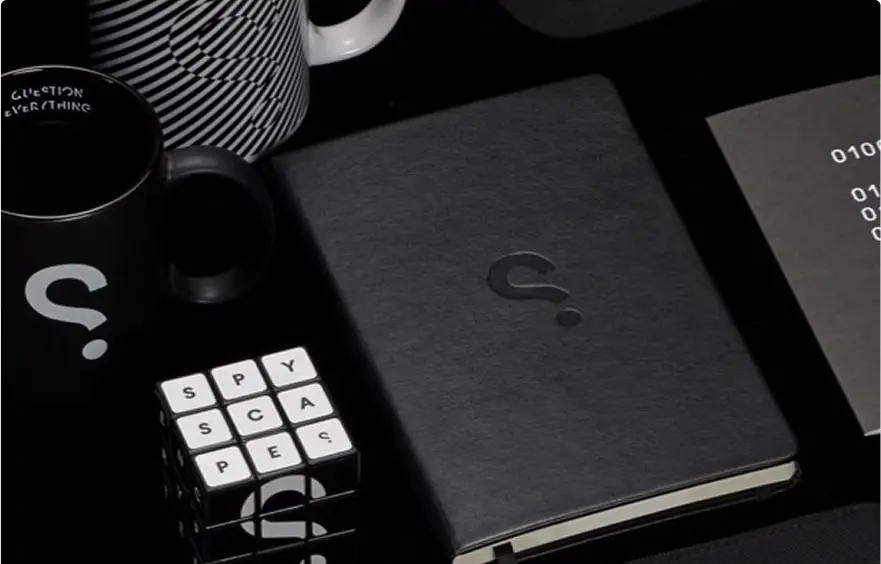
Gadgets & Gifts
Explore a world of secrets together. Navigate through interactive exhibits and missions to discover your spy roles.
Your Q Type
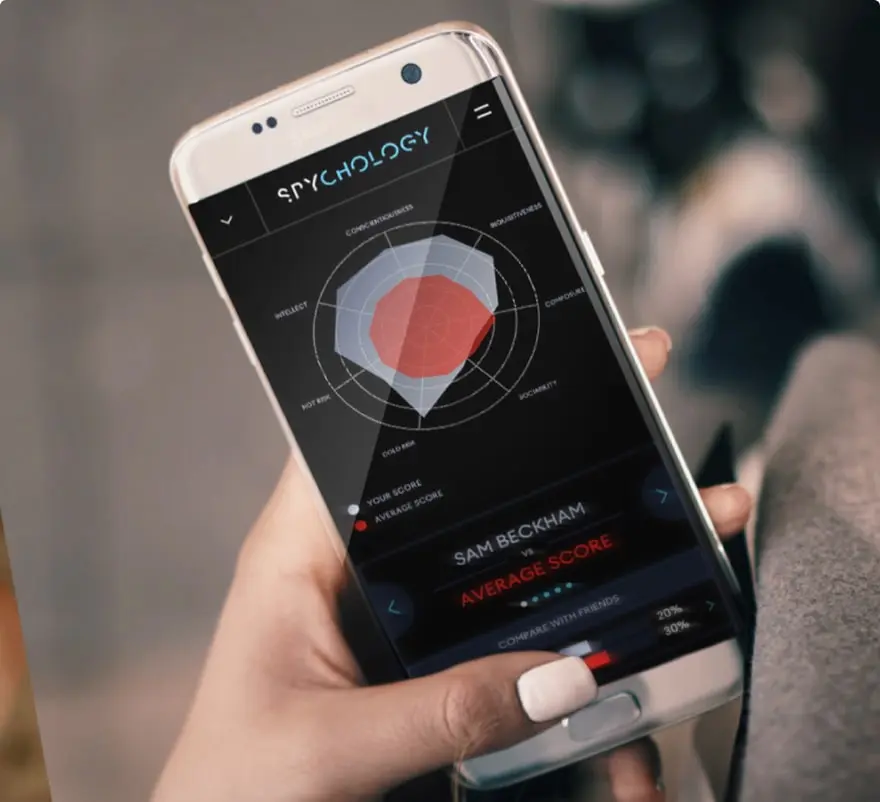
You will be assigned one of ten Q Types - developed with top spy trainers and psychologists to reveal your hidden potential. Not a personality label - a behavioral map of how you think, lead, and perform when it matters.
The Brief
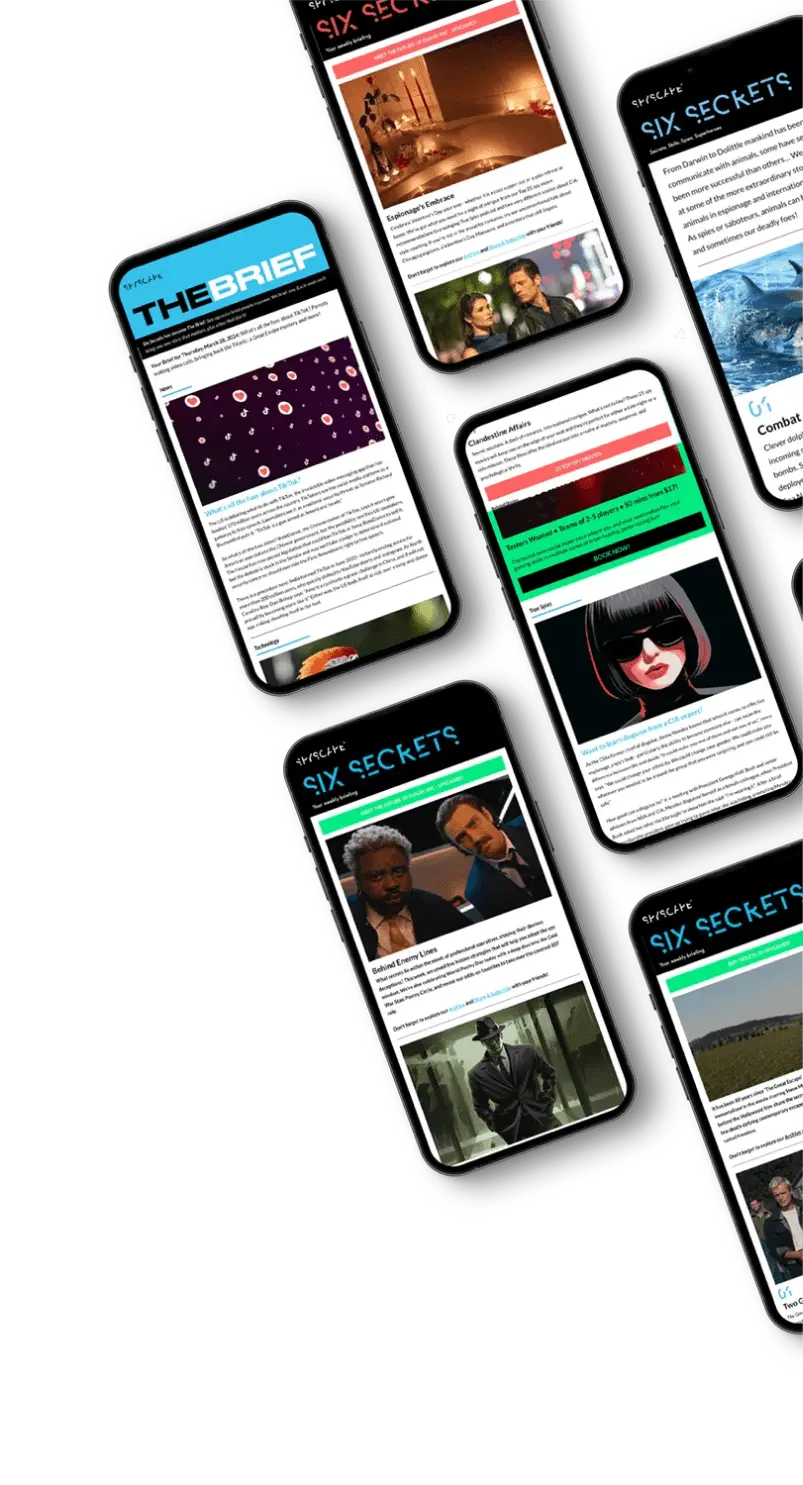
Sign up to receive our weekly newsletter and special offers.
Stay Connected
Follow us for the latest
TIKTOK
INSTAGRAM
X
FACEBOOK
YOUTUBE